
The Allure of Gambling
The thrill of gambling is a uniquely compelling experience that captivates millions around the world. At the heart of this phenomenon lies a complex interplay of psychological factors that influence why individuals are drawn to casinos. Many players find themselves enchanted by the prospect of winning, driven by a rush of adrenaline that accompanies the gamble. This excitement often overshadows the rational understanding of the odds, leading players to engage repeatedly despite the inherent risks. For those looking to capitalize on their luck, trying out a crypto casino may offer a new avenue for excitement.
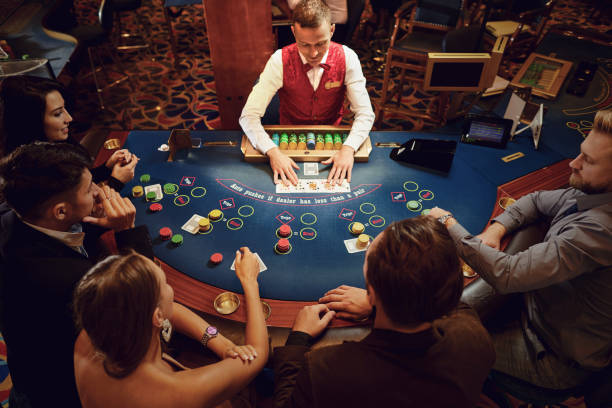
The environment of casinos further amplifies this allure. The vibrant lights, sounds of cheers, and the buzz of excitement create a sensory overload that can blur the line between reality and fantasy. This immersive atmosphere is designed to evoke emotions that enhance the gambling experience, making players feel a sense of escape from their everyday lives. Ultimately, this environment fuels a psychological cycle that keeps individuals returning for more, often in pursuit of that elusive win.
The Role of Reward Mechanisms
Neuroscientific research has revealed that the brain’s reward systems are significantly engaged during gambling. When a player wins, the brain releases dopamine, a neurotransmitter associated with pleasure and reward. This chemical reaction reinforces the behavior, making it more likely for individuals to gamble again in the future. The thrill of victory can create a powerful emotional high, enticing players to chase these feelings even when losses mount.
This reward mechanism is not just a simple reaction; it plays a crucial role in maintaining a player’s engagement. Casinos often employ strategies to keep players in a state of euphoria, offering bonuses, free spins, or complimentary drinks to enhance their experience. These tactics are designed to create a sense of loyalty and encourage repeat visits, further embedding gambling into their lifestyle.
The Illusion of Control
One significant psychological aspect of gambling is the illusion of control. Many players believe they can influence the outcomes of games, whether by using strategies or choosing specific machines. This belief can provide a false sense of agency over the randomness of gambling, making the experience more exciting and engaging. Cognitive biases, such as the gambler’s fallacy, lead individuals to believe they can predict future outcomes based on past results, further entrenching them in the game.
This illusion extends to various casino games, where players might feel that their skills can give them an edge. In table games like poker or blackjack, where skill does play a part, this belief can be particularly potent. As players experience wins, even if by chance, it reinforces their belief in their control, compelling them to continue seeking that next win.
Social Influences and Group Dynamics
The social aspect of gambling cannot be overlooked when exploring the psychology behind winning at casinos. Many individuals are drawn to casinos not only for the thrill of winning but also for the social interaction that comes with it. Casinos often serve as entertainment hubs where friends gather to enjoy their time together while partaking in games. This communal experience adds another layer of excitement and can significantly enhance the overall thrill of gambling.
Additionally, the presence of other players can create a shared emotional experience, amplifying the highs and lows of gambling. The shared excitement of winning, combined with the communal disappointment of losing, fosters a sense of belonging and can make the experience more enjoyable. This social dynamic serves as a powerful motivator for individuals to continue visiting casinos, as they associate the experience with positive social interactions.
Conclusion: The Journey of Thrill at Casinos
As we explore the psychology behind winning at casinos, it becomes clear that the thrill is driven by a multitude of factors, including the allure of risk, the biochemical rewards of winning, and the powerful influence of social dynamics. Understanding these elements can help us navigate the complexities of gambling behavior and the emotional experiences tied to it.
While the psychology of gambling can provide insights into why people are drawn to casinos, it is also crucial to approach gambling responsibly. Players should be aware of their motivations and the potential consequences of their actions. Engaging with the thrill of gambling can be enjoyable, but awareness and moderation are key to maintaining a healthy relationship with gaming activities.
